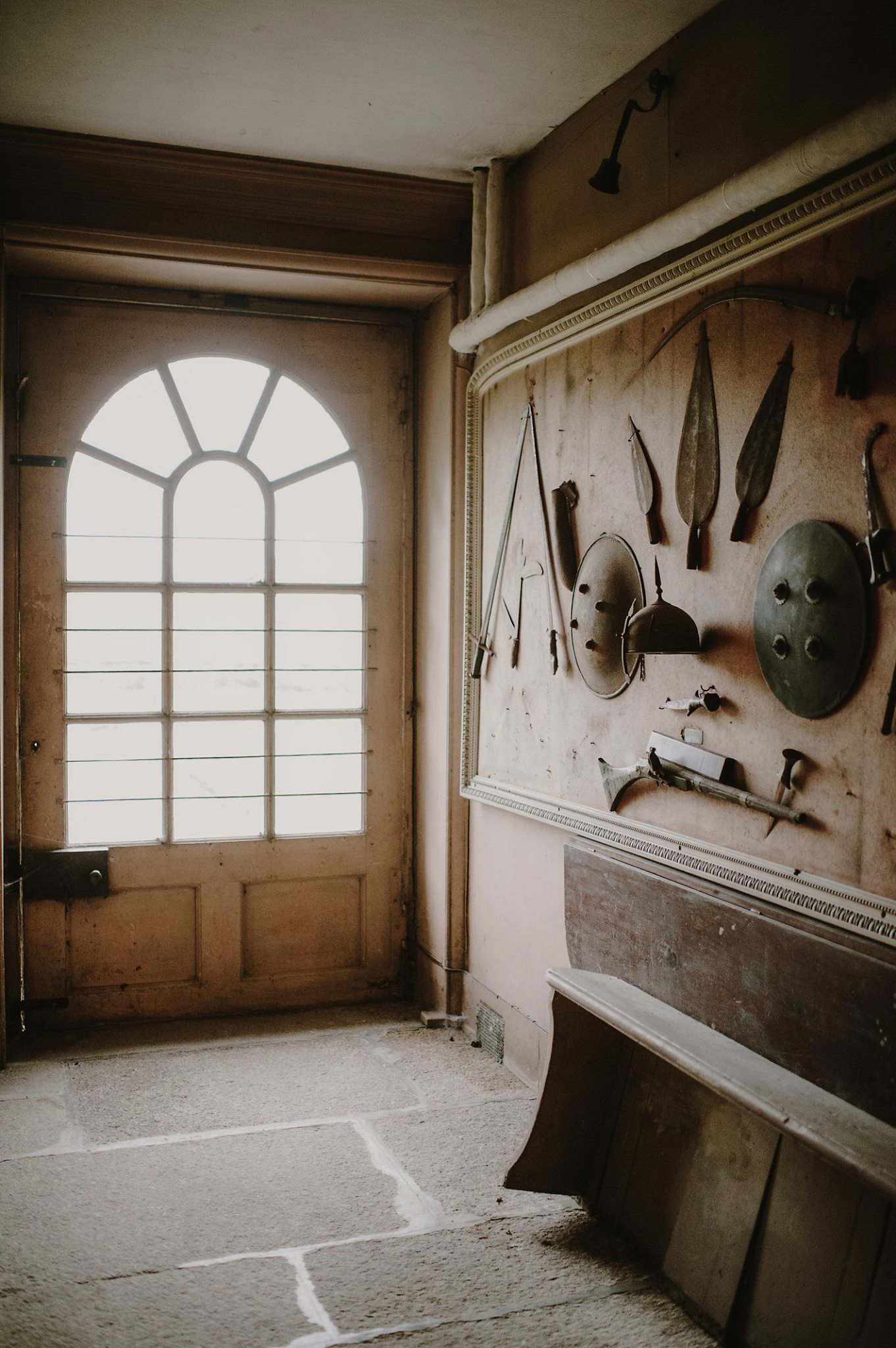
The House Carpenter's Shop
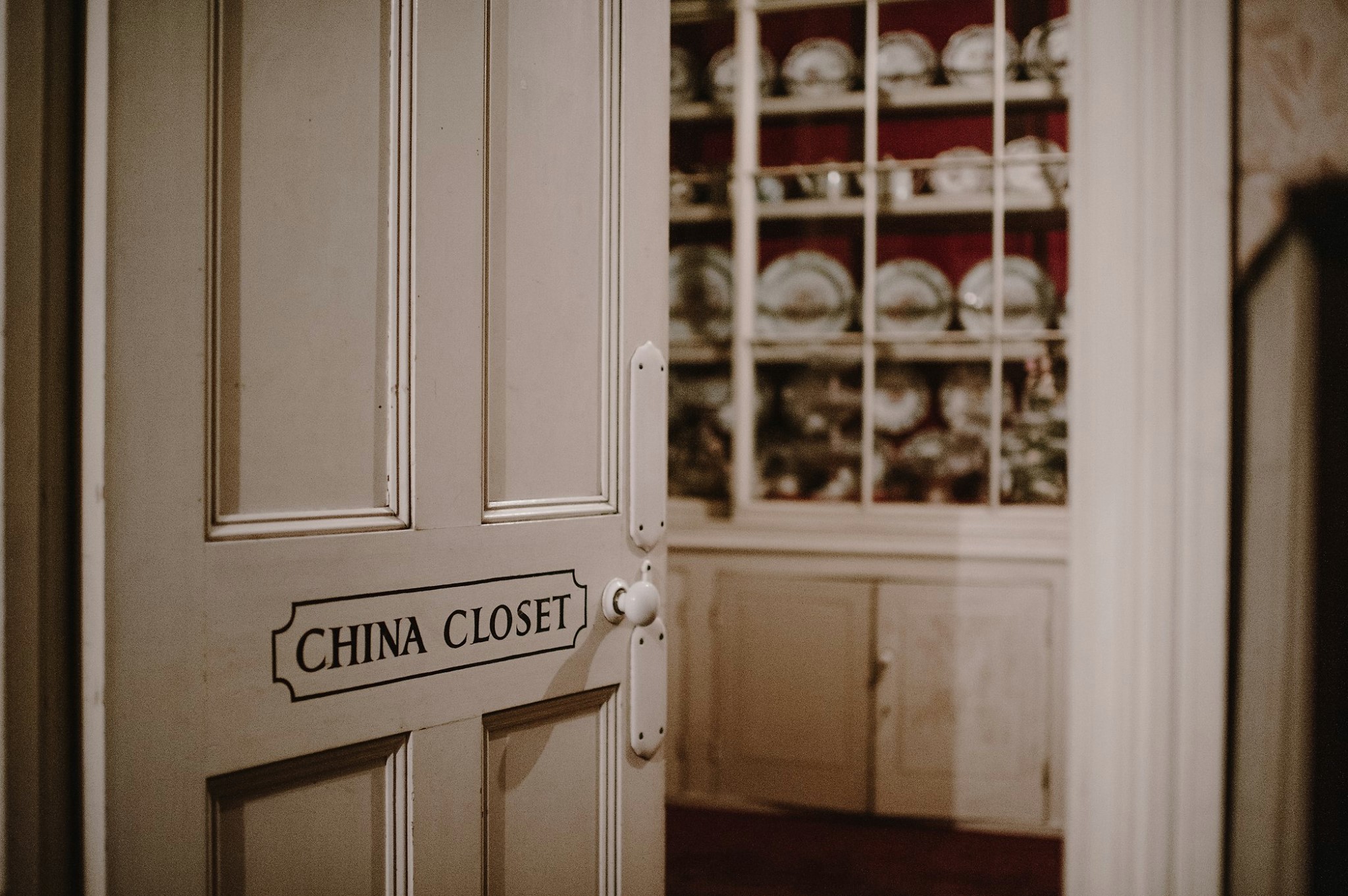
China Closet
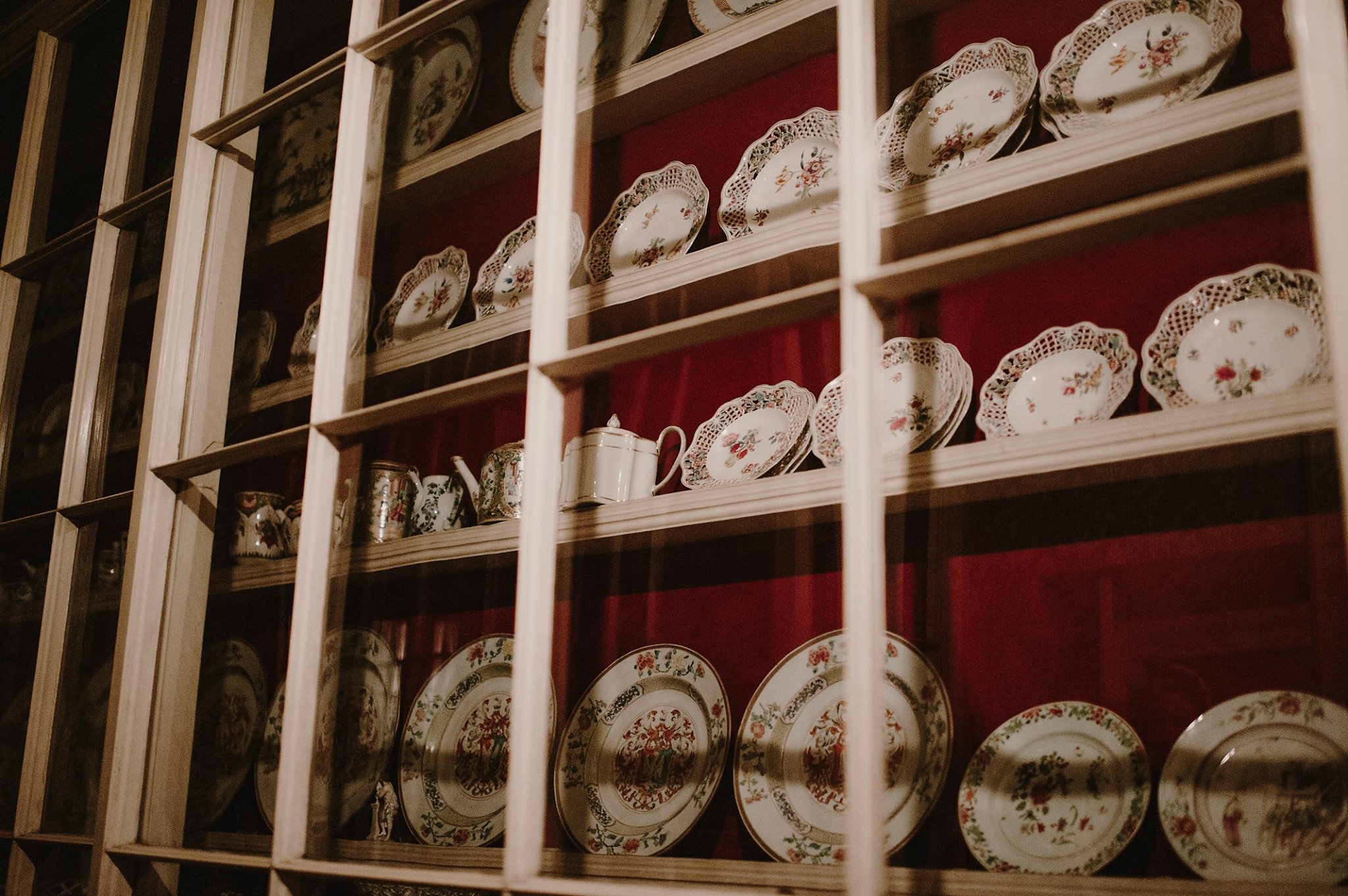
Beautiful display of the china collection.
venue photo
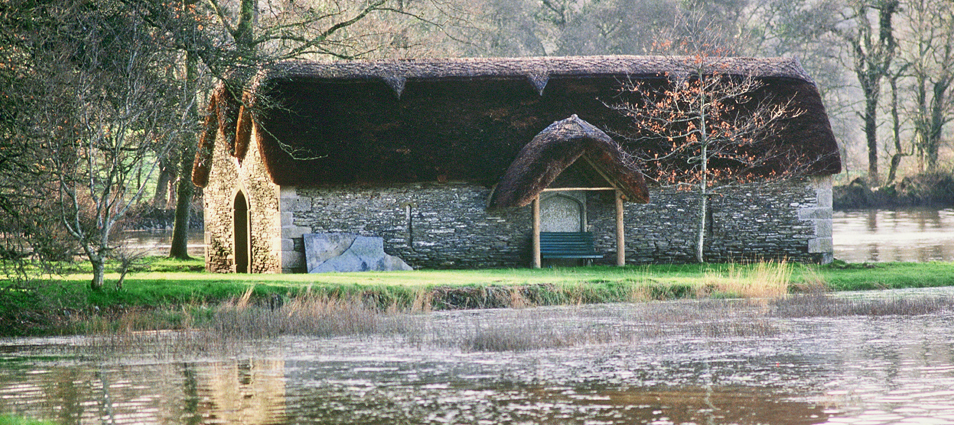
The Boat House is an 18th Century building in the picturesque manner.
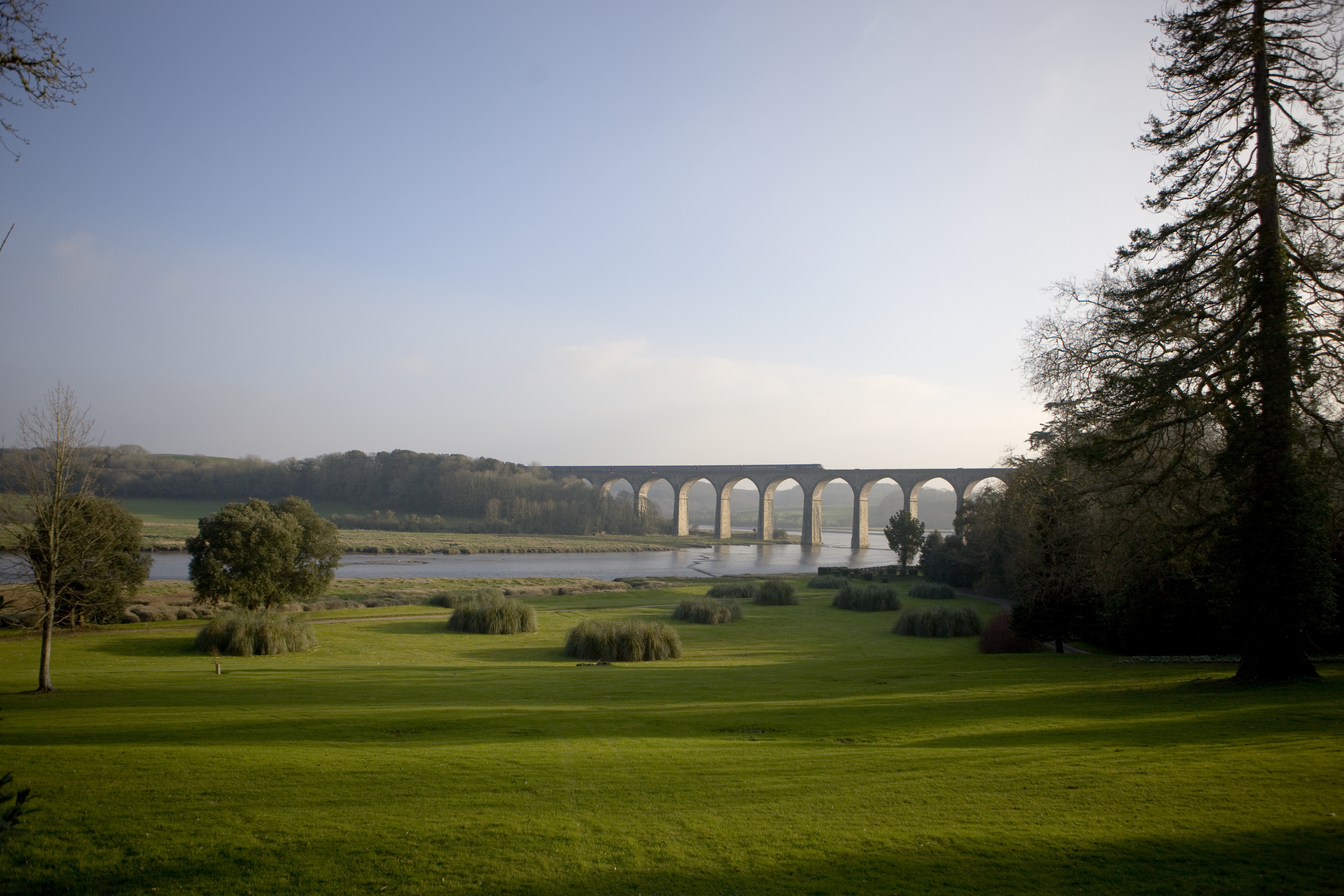
The Viaduct: This is a nine arch Romanesque viaduct designed by Isambard Kingdom Brunel for The Great Western Railway in 1864.
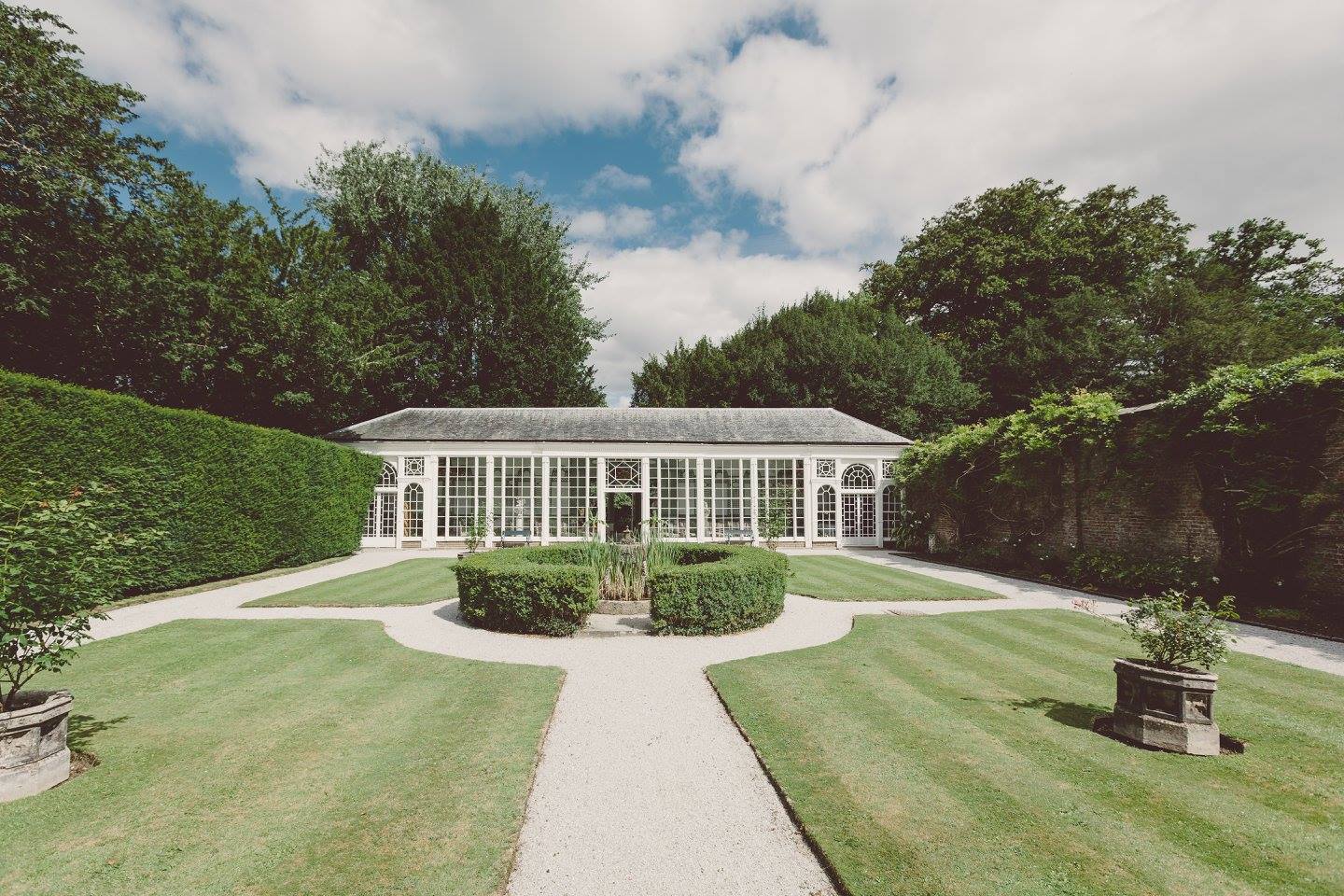
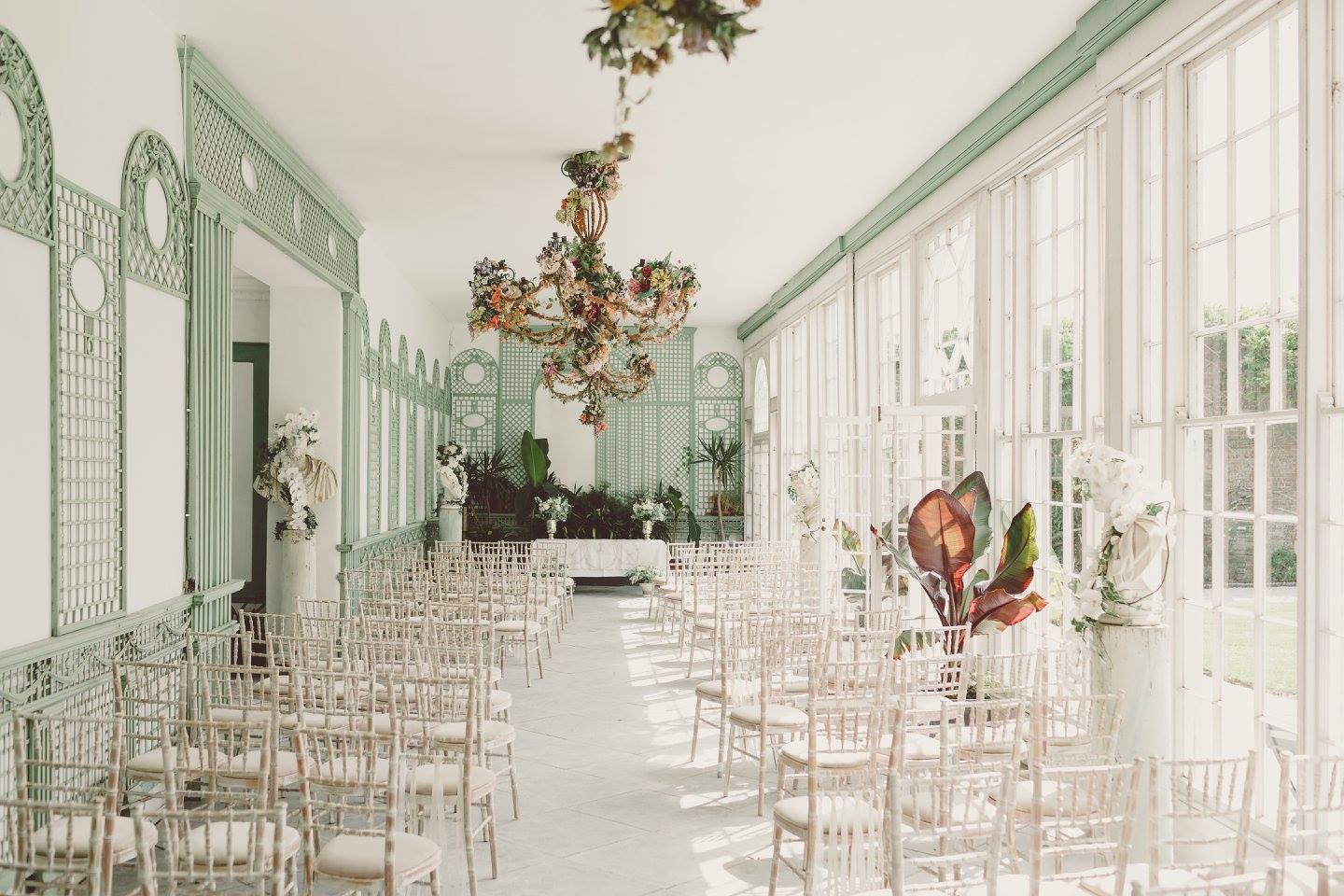
The Orangery was built in the 1840s, as a greenhouse where citrus fruits were grown. It is a singularly beautiful building, filled with light looking out onto its own geometric garden with a fountain, surrounded by a dramatic yew hedge.
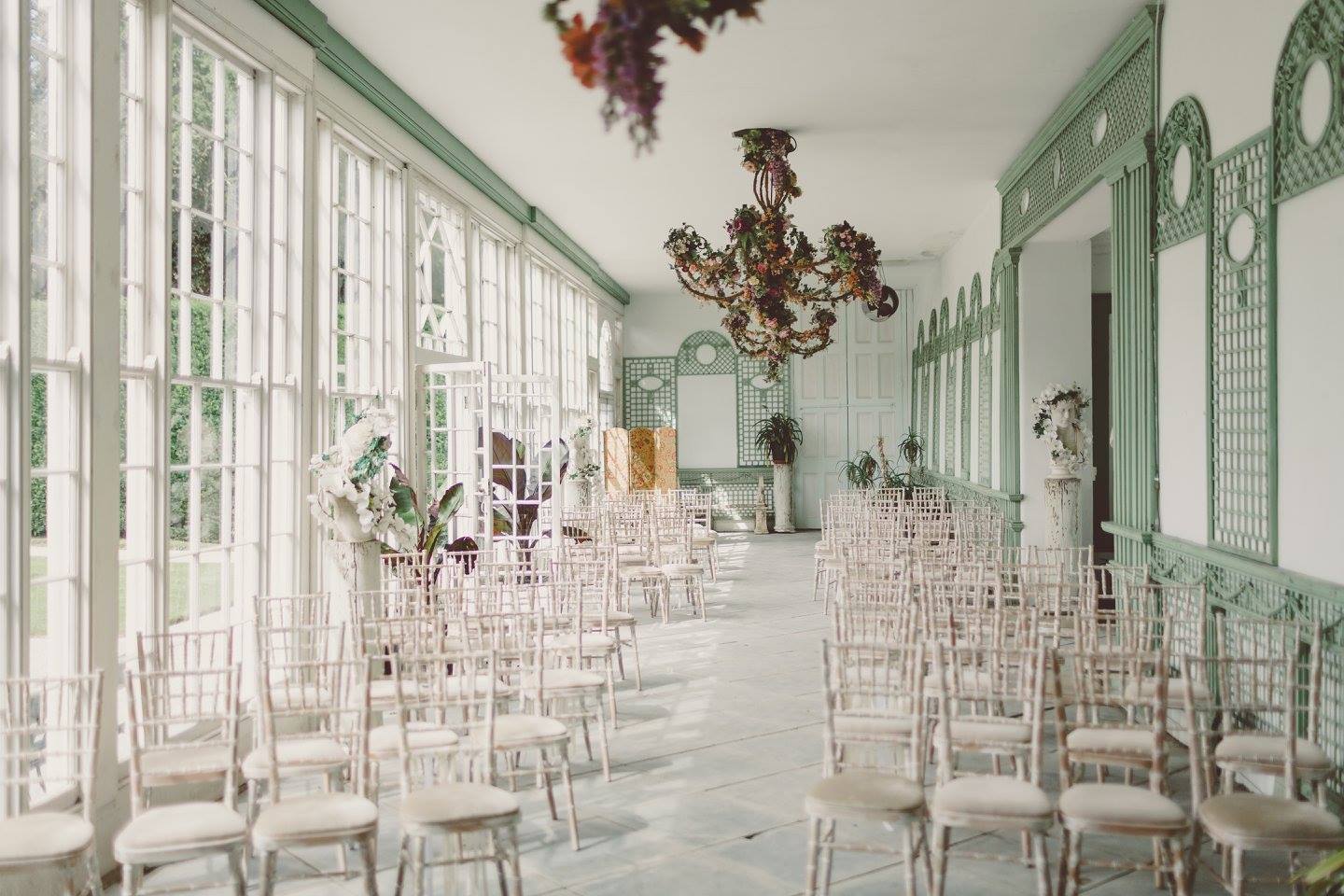
Seat up to 120 guests in the Orangery for your wedding ceremony.
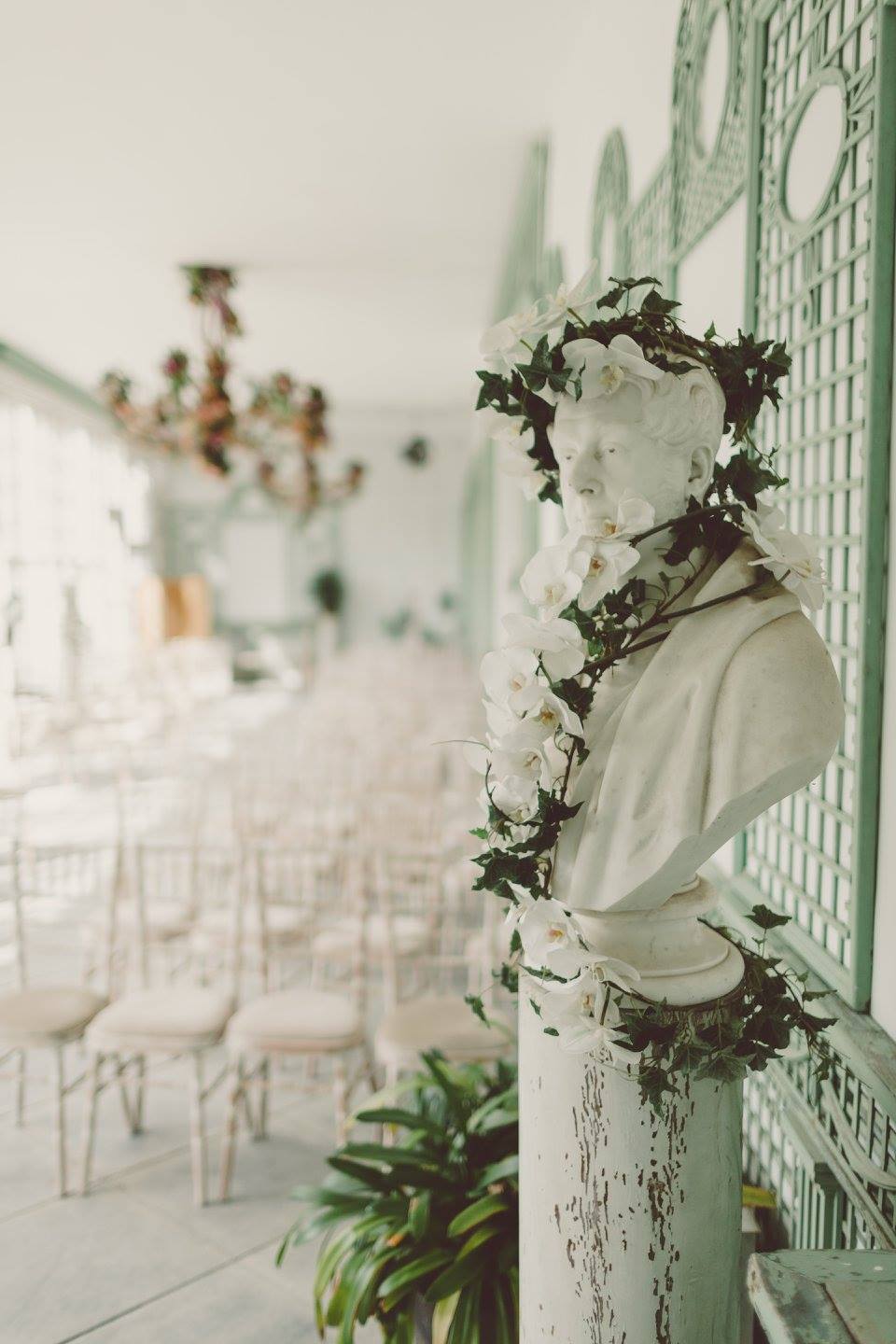
Beautiful sculptures around the property.
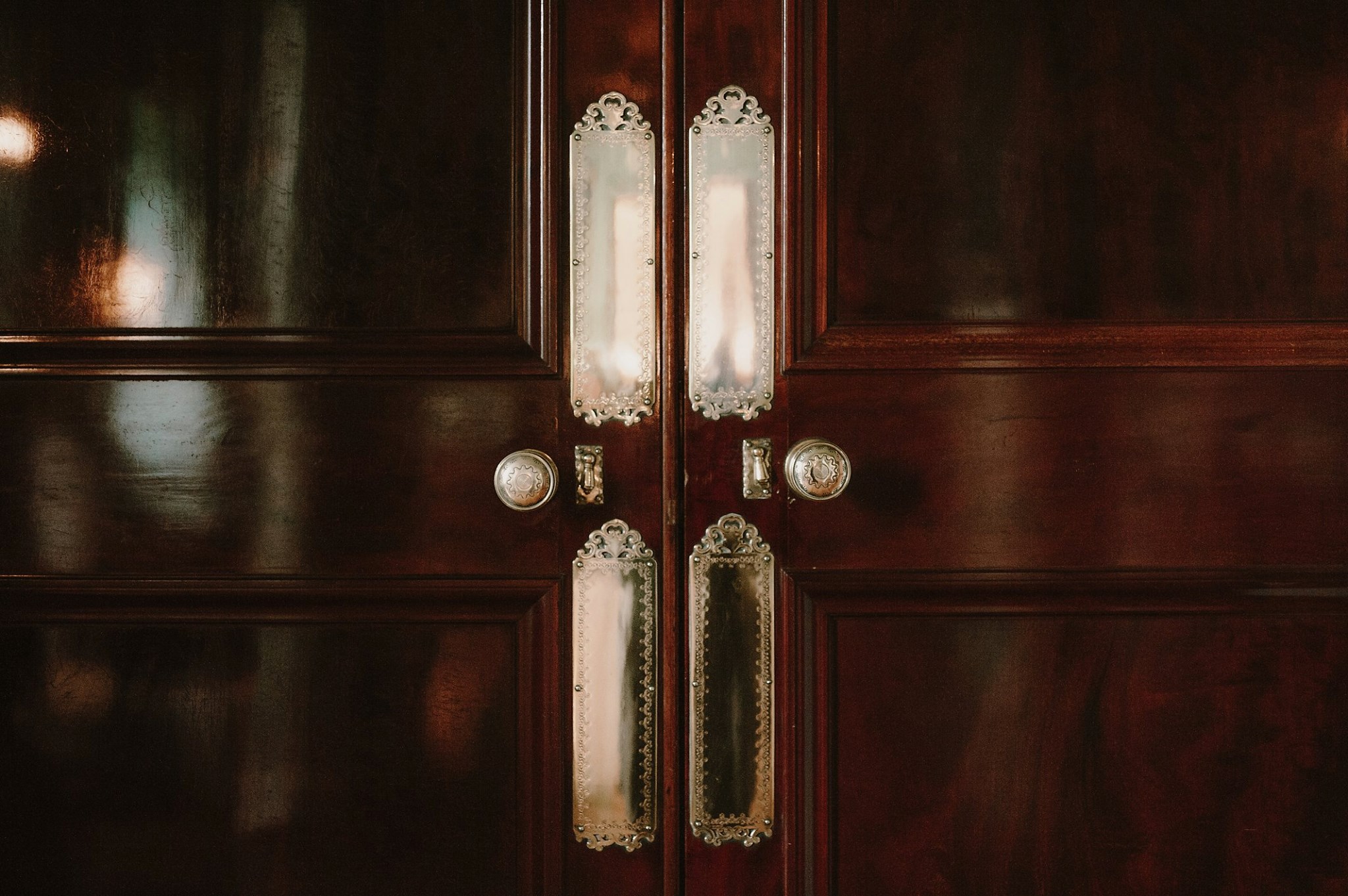
Much of the glass in the doorway is of the original 18th century centrifugally spun glass.
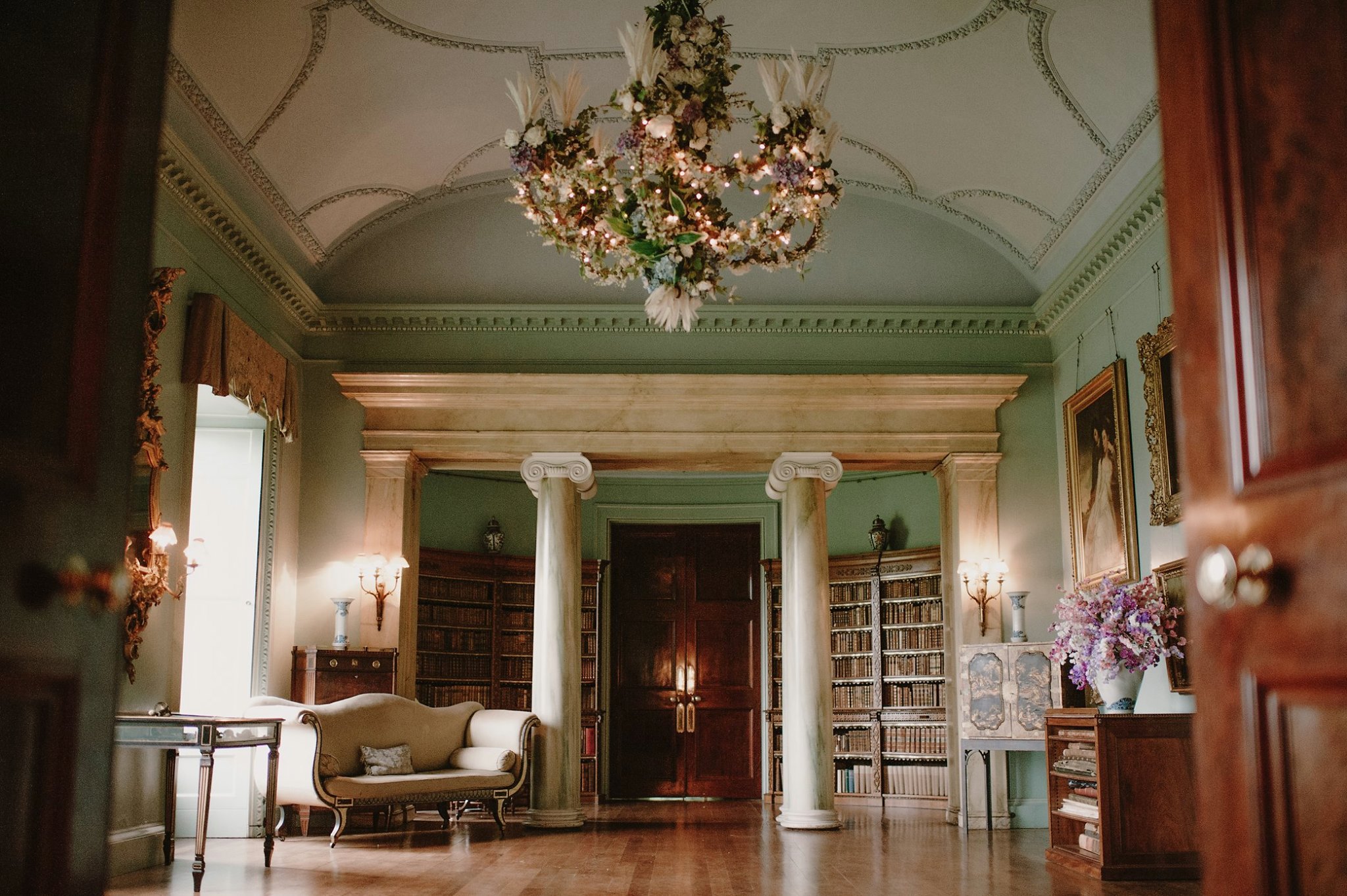
The beautiful Orangery dates from the Georgian period with chandeliers romantically entwined with flowers.
The site on which Port Eliot sits is to the north of a steep hill which protects it from the prevailing south-westerly winds which blow from this direction 300 days of the year.
The House is called Port Eliot because it was formally known as Port Priory
venue photo
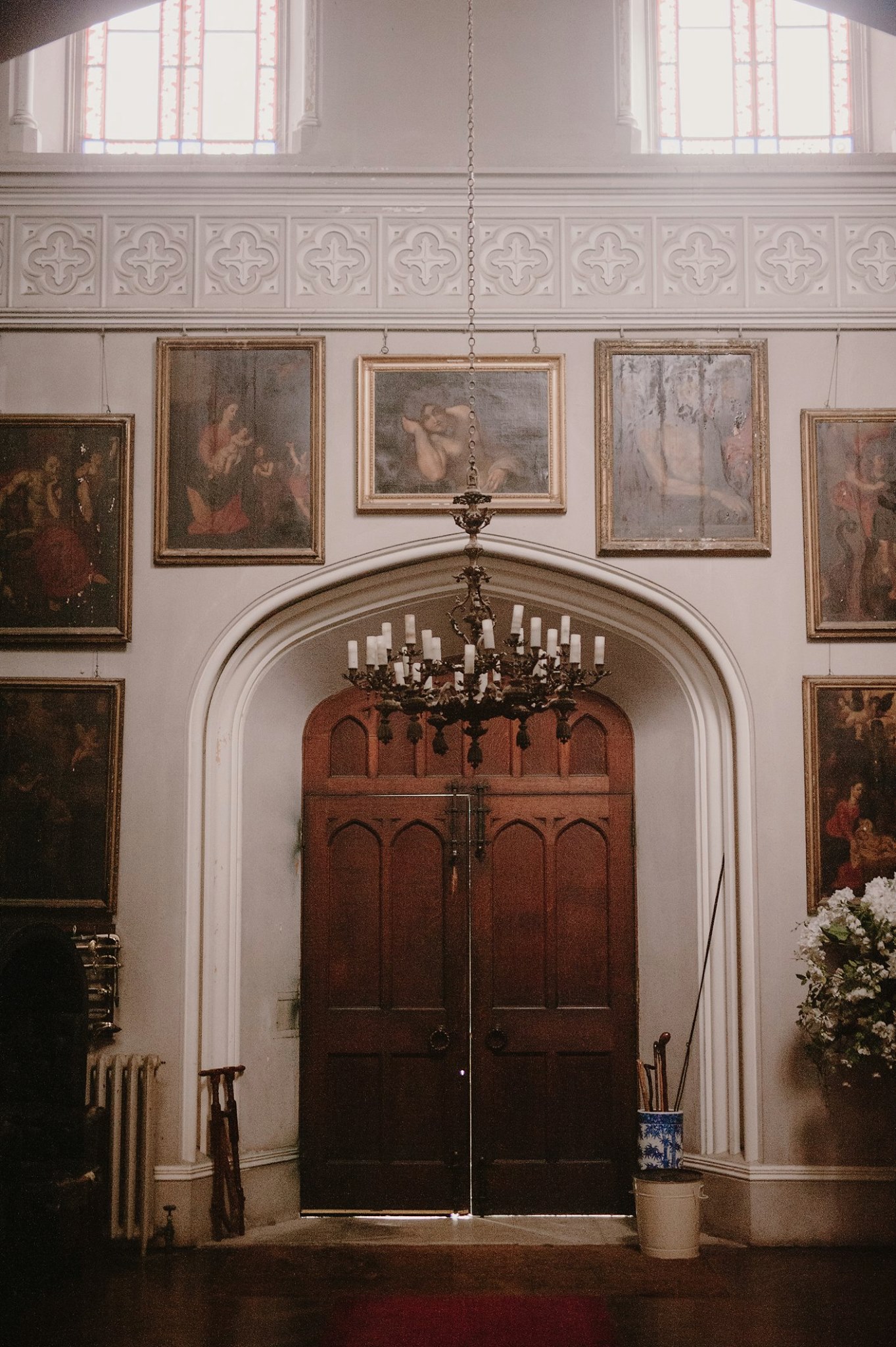
Beautiful architectural details around the house.
The Drawing Room was once the Refectory of the monastery
venue photo
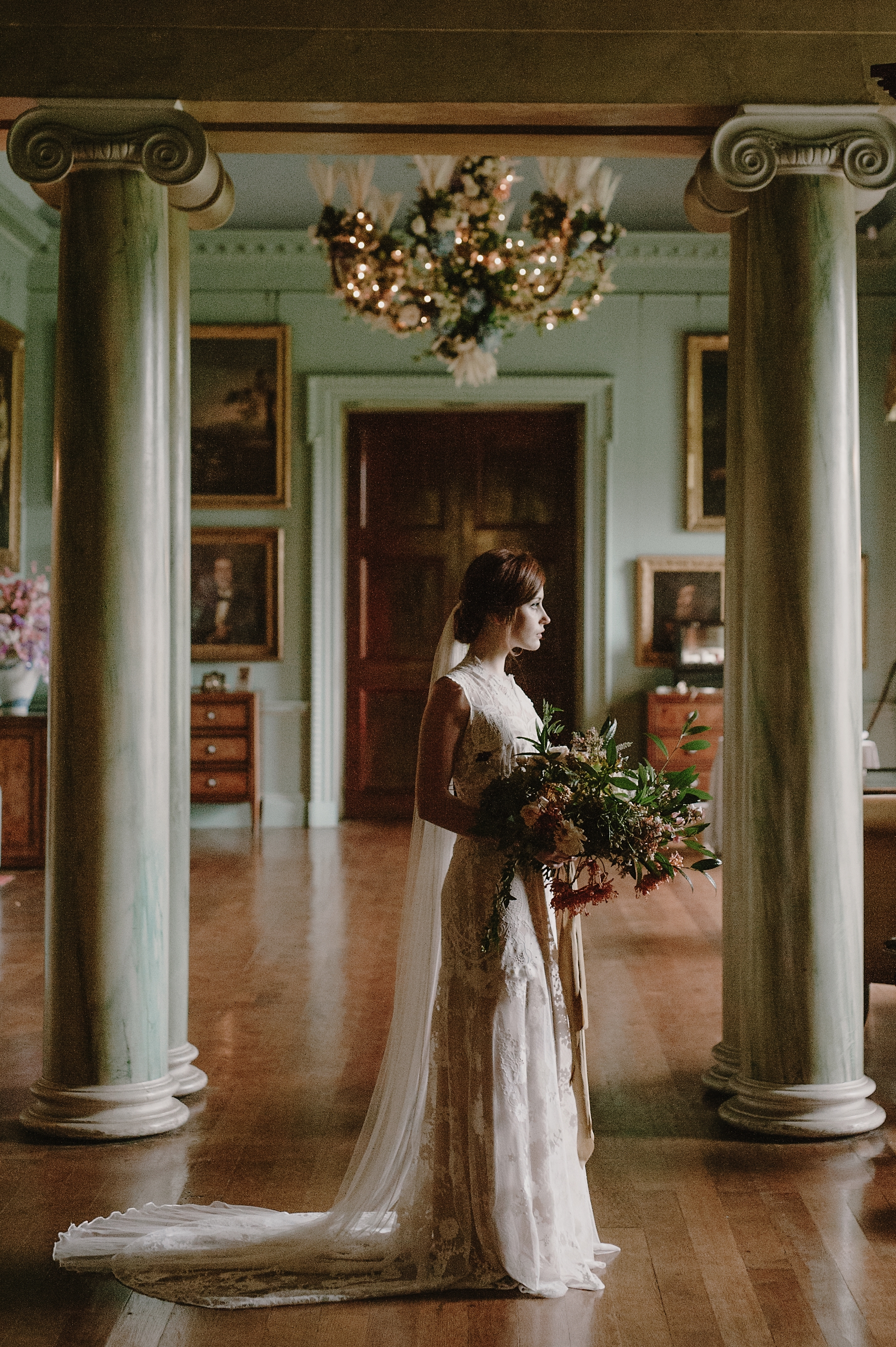
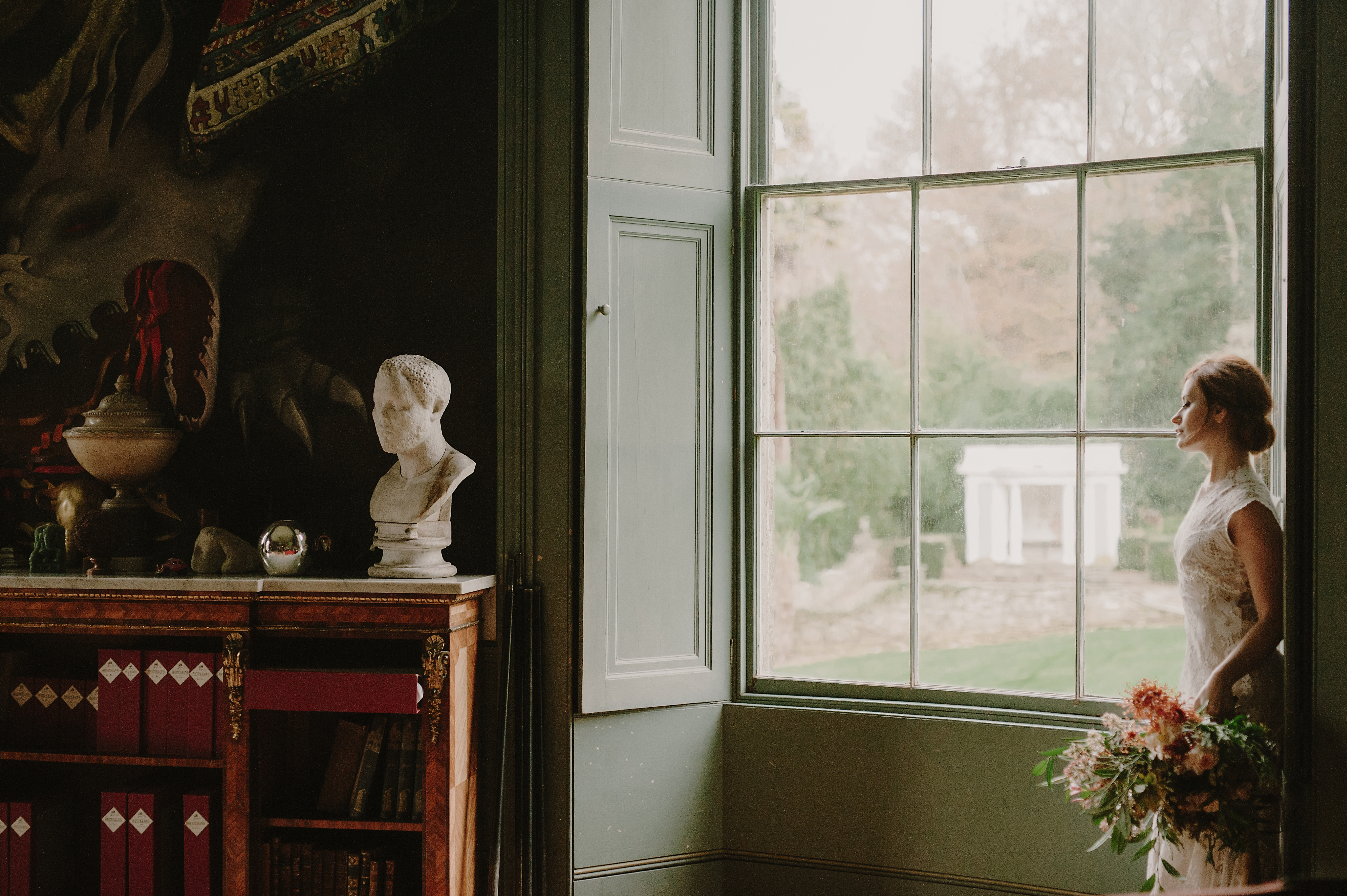
Bride in the John Soane Drawing Room
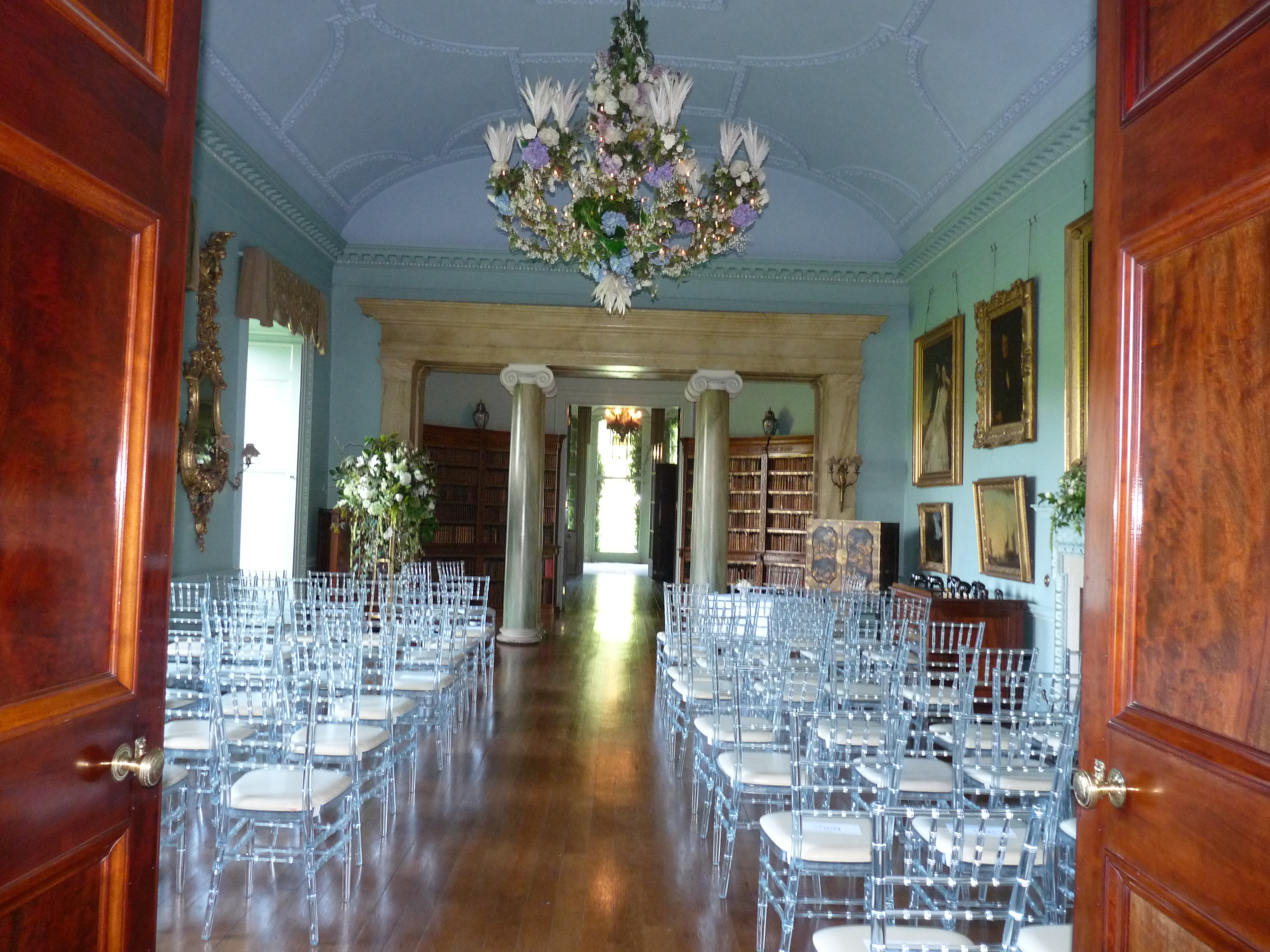
Ceremony in the Drawing Room
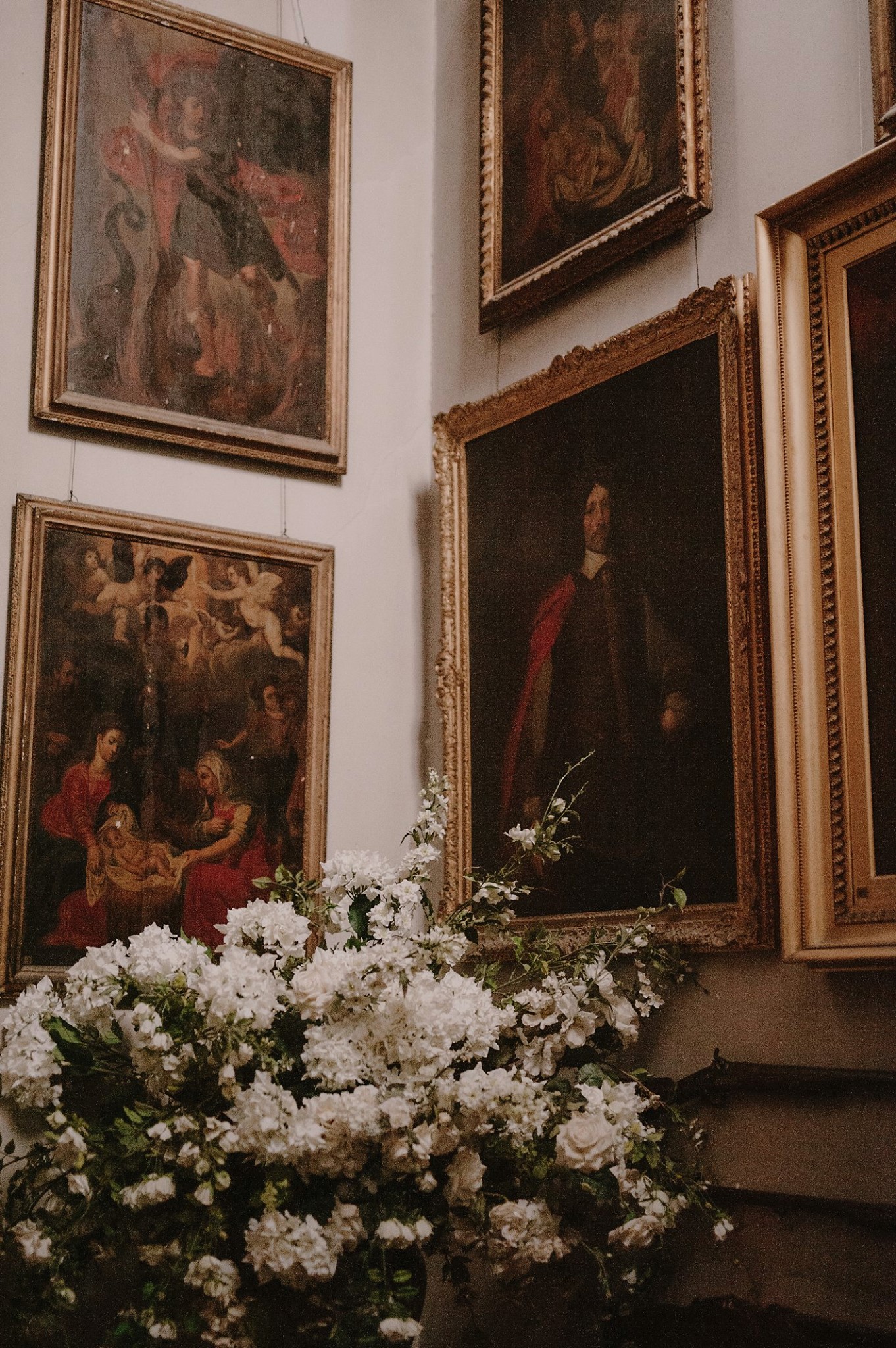
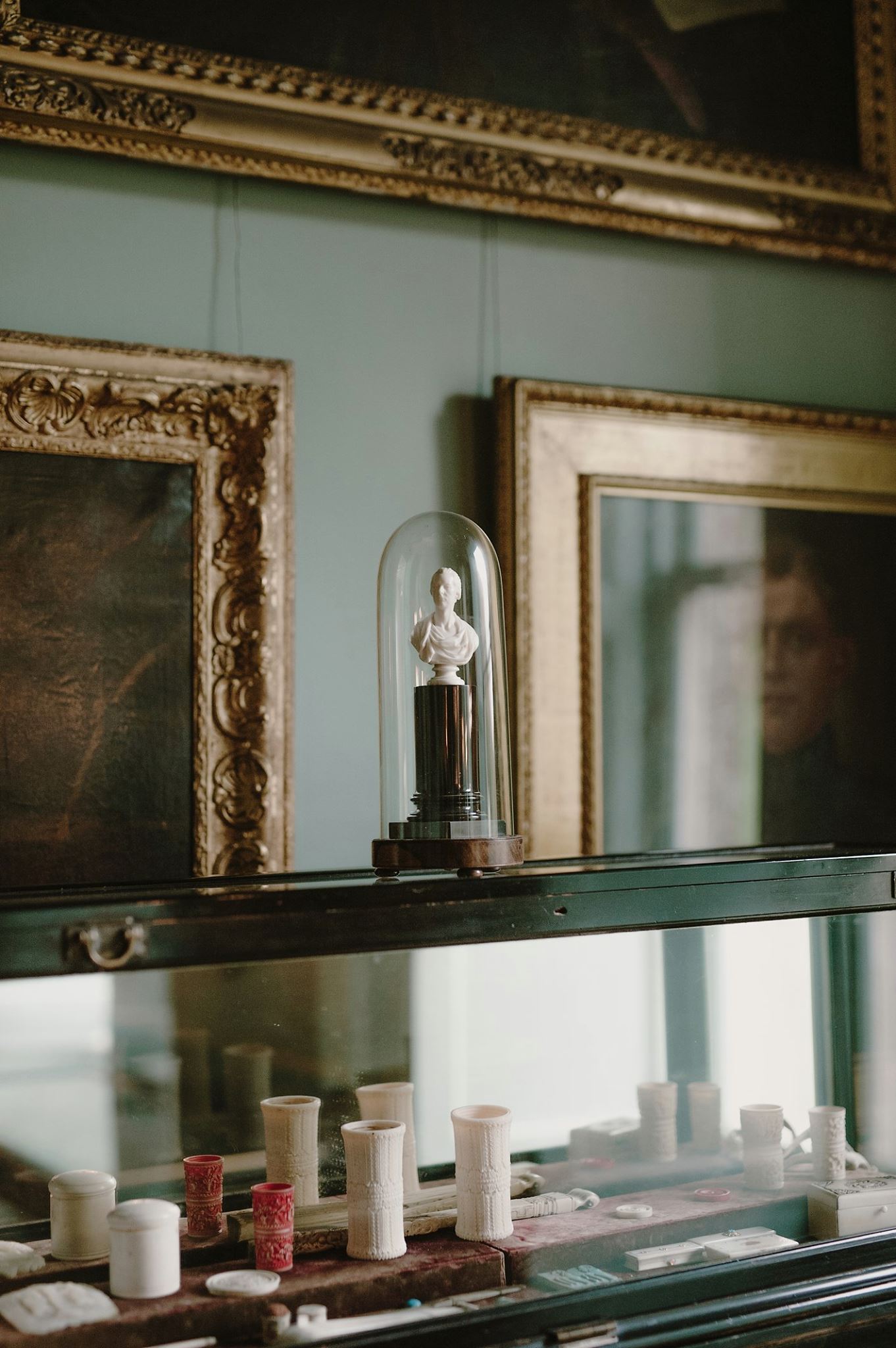
Antique collections around the property.
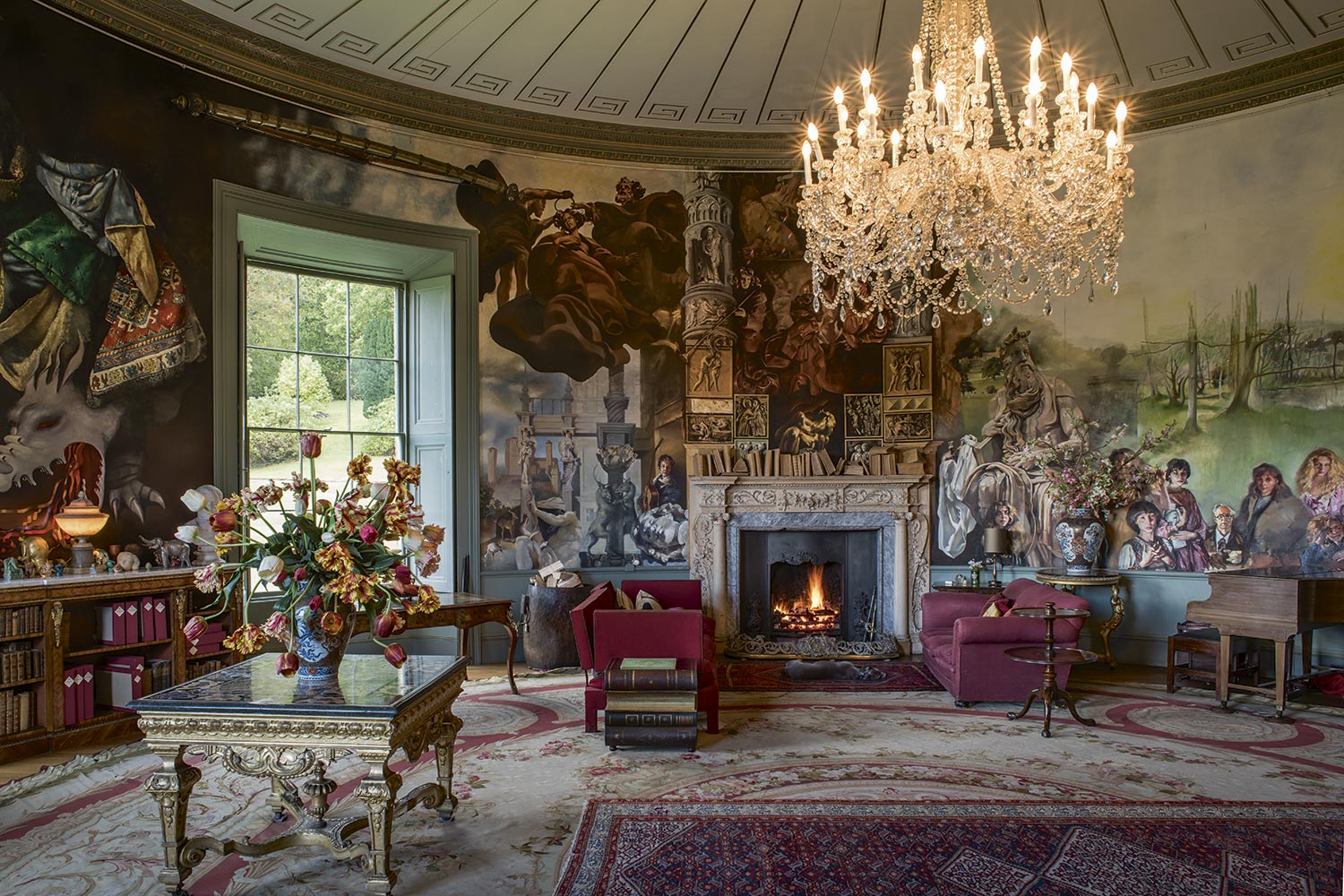
Port Eliot's Round Room - perfect place to wow guests with a Champagne reception and canapés
Round Room, looking out on Putto by the 18th century swimming pool
Library
With over 100 rooms, including attics, basements, cellars, Butlers Pantry’s, Game Larders, Tunnels, Regency kitchens, Salons, Dressing Rooms, Studys, a Library, Ball Room and Servants Quarters, Port Eliot is a curious, individual and virtually unique loca
The House Carpenter's Shop
China Closet
Beautiful display of the china collection.
venue photo
The Boat House is an 18th Century building in the picturesque manner.
The Viaduct: This is a nine arch Romanesque viaduct designed by Isambard Kingdom Brunel for The Great Western Railway in 1864.
The Orangery was built in the 1840s, as a greenhouse where citrus fruits were grown. It is a singularly beautiful building, filled with light looking out onto its own geometric garden with a fountain, surrounded by a dramatic yew hedge.
Seat up to 120 guests in the Orangery for your wedding ceremony.
Beautiful sculptures around the property.
Much of the glass in the doorway is of the original 18th century centrifugally spun glass.
The beautiful Orangery dates from the Georgian period with chandeliers romantically entwined with flowers.
The site on which Port Eliot sits is to the north of a steep hill which protects it from the prevailing south-westerly winds which blow from this direction 300 days of the year.
UsersSpace only
Up to 400 guests
Avg. venue rate
Rate info
$4k - $10k

LightningThis venue has been favorited 64 times


Room blocks

Room Service by Venue Report

Need accommodations nearby

Search group-friendly stays and request rates in one place, or let our complimentary concierge team handle it for you. Group rates? Handled. Guest lists? Tracked.

Port Eliot is one of the most beautiful places in Cornwall; providing a perfect backdrop for your wedding day.


Celebrations at Port Eliot are magical and unforgettable occasions. Due to the nature of the site, they tend to have a vibrant, festival feel – a ceremony in the stunning Georgian Orangery, with its romantic chandeliers entwined with flowers, followed by a truly magical wedding celebration in a giant tipi, taking in the beautiful view of the park.


The Lowdown

Venue use

Space only

Best for these Occasions

Adventure TravelBachelor / Bachelorette partybirthday partycharity eventcorporate eventdinner partyelopementProduct Launchrehearsal dinner / Welcome Receptionsocial eventvow renewalwedding ceremonywedding receptionWorkshops: Creative, Photo, etc.

Venue type

Banquet Hall / Event FacilityCamping / GlampingEstate / House / Mansion / VillaHistoric BuildingPark

Views

creekforestgardenhistorical monumentlandscaped groundsparkrivervalleywater featureRolling Hills

Style

BohemianBritishClassicRomanticShabby Chic

Days Venue is closed

&nbsp; <div class="grammarly-disable-indicator">&nbsp;</div>


Venue Settings

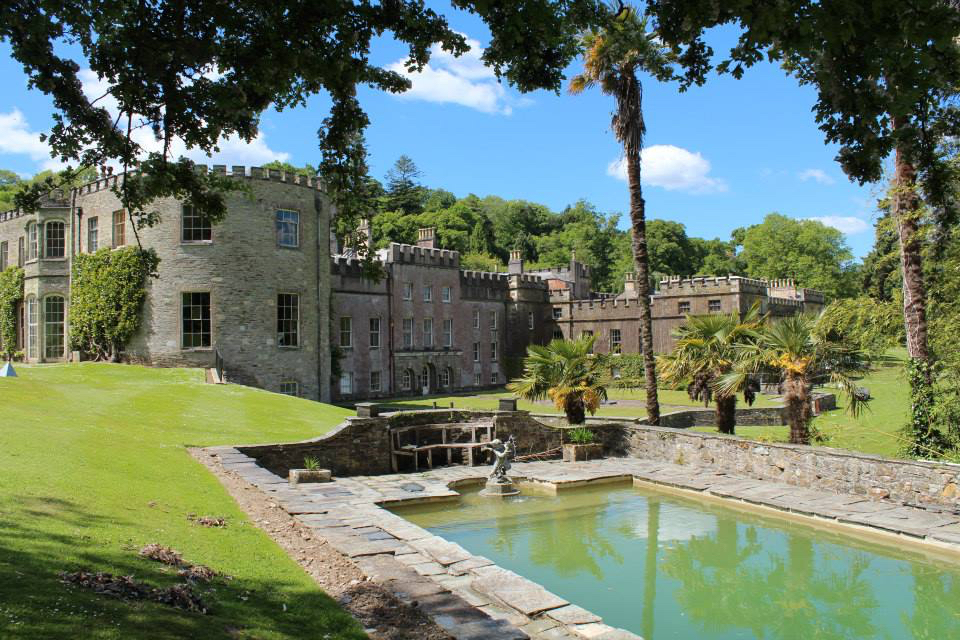
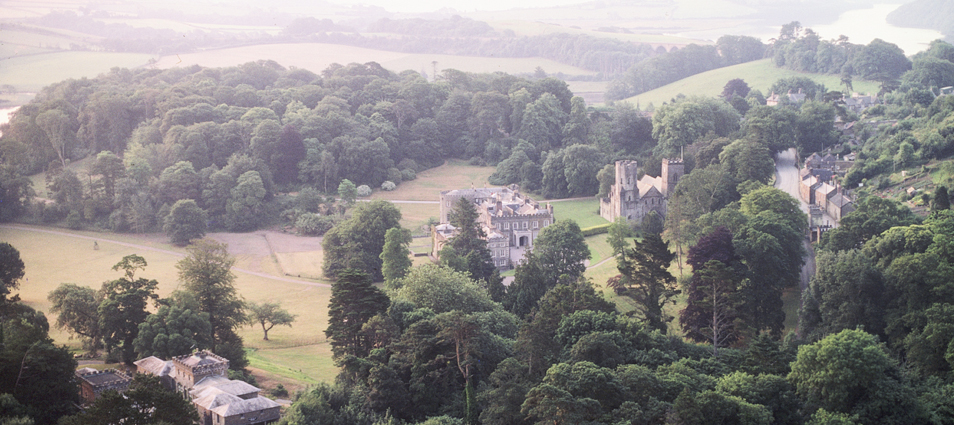
A magnificent Grade I listed house & gardens owned and occupied by the Earl and Countess of St Germans, Port Eliot is one of the most beautiful places in Cornwall; providing a perfect backdrop for your wedding day.

The estate stands in stunning secluded grounds and parkland, along the idyllic banks of the River Lyhner. It is conveniently located a short walk from St Germans railway station, and a 25 minute drive, across the Tamar Bridge, to Plymouth.

A Port Eliot wedding can be a classical fairy-tale or a story of rock ’n’ roll decadence (or sometimes, a little bit of both). As a private house with extensive grounds, a covetable contacts book and an open mind, Port Eliot provides an unforgettable setting for all styles of celebration.

Celebrations at Port Eliot are magical and unforgettable occasions. Due to the nature of the site, they tend to have a vibrant, festival feel – a ceremony in the stunning Georgian Orangery, with its romantic chandeliers entwined with flowers, followed by a truly magical wedding celebration in a giant tipi, taking in the beautiful view of the park.

Other locations licensed for civil ceremonies include; the impressive Drawing Room, with its magnificent views of the Repton Park, the imposing Dining Room with its roaring fire, and the Conservatory and Library provide intimate spaces for the smaller wedding party.

After your ceremony, you may like to wow your guests with a Champagne reception in the famous Round Room. Designed by Sir John Soane, it is considered one of his outstanding achievements with a mural painted by Robert Lenckiewicz regarded as his masterpiece. It has to be seen to be believed.

At Port Eliot they can also provide beautiful locations for your marquee reception. The Boat House Lawn is a hidden gem in the woodland garden, with views over the Lynher estuary. Or perhaps you would prefer the Park with the magnificent Port Eliot house and St German’s church as your romantic backdrop.

You really are utterly spoilt for choice…


Capacity

300Seated300Buffet400Standing
Fees

(Prices listed here are estimates only & are subject to change)

Venue price range

Does this include catering fees?
No

Estimated price per head
$50 – $100

Additional charges


Insurance

Additional insurance is required to host an event at this venue

Connect with this Venue

Explore availability, walk the space, and get tailored pricing.

Amenities

Event Logistics

Essential logistics and amenities for a seamless, memorable event.

Celebrations hosted here since
1950

Curfew
12 AM

Venue spaces
Indoor & Outdoor Venue Spaces Available

Catering
Client must use the catering provided by the venue

Alcohol
BYO Permitted – you can bring your own alcohol, Licensed Server is Required

Music
Indoors & Outdoors

Smoking
Non-smoking venue

Accommodations

The beautiful Terrace Suite, separated from the House by its own entrance door, is completely private. Once Lady St Germans sitting room and children’s schoolroom, it is now a set of delightful bedrooms, bathroom and living room. All the rooms have high ceilings, big wide windows and charming doors. The main bedroom is comfortably well appointed with bespoke antique furniture, old masters and 19th century seascapes and an elegant Queen Anne four-poster bed. The adjacent dressing room, tastefully decorated with European watercolour drawings, overlooks the impressive Norman Church of St Germans Priory. Soak away your wedding nerves in a lovely hot bubble bath with a glass of champagne in the commensurably deep and over 6 foot long bathtub.

In the morning, choose to have either breakfast in bed or in the small dining room across from the hall, overlooking Repton Park, and really feel like Lord and Lady of the Manor. 


Eco/Green Events
Yes

Pet-Friendly Events
Yes

Onsite amenities

Ample Parking OnsiteOnsite RestroomsBridal Suite/Changing Rooms Onsite

Venue Features

The scene

The House at Port Eliot has been lived in for over 1000 years and believed to be the oldest continually inhabited dwelling in the UK. The earliest written reference to Port Eliot is from the 5th century AD, Augustinian monks were there from the year 937, while the earliest remaining evidence of a dwelling on the site is a 1500-year-old glazed tiled floor, dating from the late Iron Age. In the 18th century, Sir John Soane remodeled the Grade I-listed priory and house and landscape gardener Humphrey Repton created the gardens and park. Port Eliot is full of the accumulated treasures of its long history, from works by Sir Joshua Reynolds and Van Dyck to a mural by South West England’s most celebrated 20th century artist, Robert Lenkiewicz.

Design

With over 100 rooms, including attics, basements, cellars, Butlers Pantry’s, Game Larders, Tunnels, Regency kitchens, Salons, Dressing Rooms, Studies, a Library, Ball Room and Servants Quarters, Port Eliot is a curious, individual and virtually unique location. The rooms have an atmosphere and the patina of age which is rarely found today.

The home of Lord and Lady St Germans, readily welcome film and photographic crews to come and express themselves in this lovely place.

Standout venue features

The most significant thing about Port Eliot is its age. The earliest physical remains are a tiled floor, estimated to be more than 1500 years old, dating from the 3rd and 4th century during the late Iron Age. A place that could boast a glazed tiled floor in the 4th century must have been a settled and prosperous community for a considerable time before that. A little way away from the House in the village at the very head of this branch of the estuary, there exist traces of much earlier times dating from the later Bronze Age (± 1200 - 700 BC). Cornwall was a major source of arsenic and tin, both vital in the making of bronze.

The House is called Port Eliot because it was formally known as Port Priory. In the Middle Ages it was a flourishing monastic port. For many centuries the house was approached by water across what is now the park. Until the 1890s my grandfather remembers an old oak tree in the park in which a large iron ring - to which boats were once tied up - was still seen. The building in which we stand is of a
multitude of different ages. The foundations in places are 9th century, there are 10th-century walls set with 13th-century lancet windows.

The House received a major refit in the 18th century by Sir John Soane. Please see the essay in Part III by Ptolemy Dean on Soane’s work at Port Eliot.

By the beginning of the 18th century, the Eliots had become rich and felt it appropriate to aggrandise their surroundings. Being dependent on the state of the tide as to when it was possible to reach the House was much too much of an inconvenience. So they diverted the course of the estuary by building a dam and creating the park. They constructed a new drive starting two miles north of the House at Tideford that wound its way along the estuary. This was, and still is, a very picturesque and extremely impressive route by which to arrive at the House. The drive wends its way along the estuary and finally, as you enter the park, a majestic view unfurls in front of you, with the House displayed right in the centre of your gaze.

In the 19th century a major makeover was undertaken once again. At which time the entrance hall was redesigned.

Extra perks


Awards, Notables & Events

Hudson's Heritage awarded Port Eliot their "Best Picnic Spot" 2012. Judge for yourselves how gorgeous it is! Thanks also to Urlaub Cornwall for recommending Port Eliot to their German readers "Empfohlen von Urlaub Cornwall".

Port Eliot has featured in many national and international magazines, and as recently one of the locations in Kirstie Allsopp’s Homemade Home and Rosamunde Pilcher’s film Lord’s Don’t Lie.